

Double-Glazing Installation
Installing double-glazed windows can give your home a boost in both energy efficiency and noise reduction. The installation process is usually simple and quick.
It is possible to accelerate the process by clearing the space around your window openings and removing any obstructions. It's an excellent idea to remove any blinds and curtains away from the work area.
Preparation
Double glazing is a great option to keep the cold winter air out, reduce energy bills and reduce noise pollution. For those who live in noisy areas or in areas near busy roads, new windows can make life a lot more comfortable. Double glazing can enhance the value of homes for sale and increase energy efficiency. When selecting a double glazing business, there are few things to consider. It is important to choose a reputable company that has competitive pricing and has a good track record.
A proper double-glazing process includes preparation prior to installation, proper installation techniques, and post-installation checks. Professionals who follow these steps can provide high-quality double-glazing installations that exceed the expectations of customers and industry standards.
The first step in the double-glazing process is to assess the location of installation. This includes looking at the window openings that are currently in use and checking for water leakage or damage. After the assessment, the next step is to measure and place an order for the windows. This assures that the windows are of the correct size and dimensions.
Before your contractors arrive, it is an ideal idea to clean the space around your window so that they can get to the frames easily. This will save them time and also help you avoid the hassle of cleaning after the installation. Dust sheets can also be used to protect floors and furniture to reduce mess. This will allow your contractors to perform their work more efficiently and avoid damage to your property.
The installation of a thermal barrier between the inner and the outer panes is an essential aspect of double-glazing. This reduces heat losses and improves energy efficiency. Adding a thermal barrier is possible by using insulating foam or expanding polyurethane spray. Insulation boards are another option. Both options can be put on the top of an existing frame or a brand-new construction.
Installing double glazing window installation glazing is an easy DIY project for home owners with a basic knowledge of building or window replacement. However, it is important to employ high-quality tools and materials. Additionally, it is important to know how to correctly measure and set the window frame and sill. It is also recommended to consult a double-glazing expert before installing your windows.
Installation
Double-glazing keeps the cold out, decrease heating bills and help to keep condensation out. It can also block the noise of noisy neighbors or busy roads. However, it is essential to partner with a reliable installation team to ensure that the job is done right.
Local tradespeople with a good reputation, such as electricians, plumbers, or builders should be in a position to recommend installers they have worked with. You can also ask your friends and family for recommendations. Also, make sure to check for FENSA certification. FENSA is the abbreviation for Fenestration Self Assessment Scheme, and it is the body which regulates double glazing installations.
The first step involves removing the frames and windows and preparing the area for the new ones. Installers will clean the frames' surfaces, brickwork and repair any damage. They'll apply a sealant around the perimeter of window frames. They'll also fill in any gaps around the sill or anywhere else where air can get into the house.
The double glazing units are then fitted to frames. The glass units comprise two panes, separated by a spacer, and then filled with air or gas. The spacer bar functions as an insulator and it reduces heat transfer between the varying temperatures in your home, thus increasing energy efficiency.
Installers will then place the sealed units in the window frames and make sure they are aligned correctly. Installers will also put insulation materials, such as expanding foam, into any voids or around the edges of windows to form a tight seal. The installers will then apply an aesthetically-designed trim that matches the colour of the windows.
After the installation After the installation, you'll get an additional call from the company that completed the work. This is to ensure that you're satisfied with the quality of the windows as well as the installation. You will also receive a copy of your FENSA certification as well as the details of the product warranty.
Checking
After installation it is important to check your double glazing for any issues. Fortunately, there are very easy tests you can carry out to check if your new windows have been properly installed. The first thing to look for is any cracks in frames or glass panes. This is a sign that the seals have been compromised. If not taken care of, this can allow outside air in your home and force cooling systems to work more. If you find cracks or chips on the double glazed windows of your home or conservatory doors, it's crucial to fix them immediately.
Fogging is the next thing to be checked. Foggy windows could be an indication that the IGU system isn't functioning correctly. The difference in temperature between glass and the air causes condensation to form on the inside of window glass. The IGU seals the gap between the two glass panes to keep heat from escaping, but when the seals are damaged, water could condense inside the air gap, causing the windows to become foggy.
You can also rub a piece ice onto the inside of your windows. If it is easily removed the IGU remains intact and the double glazing is operating correctly.
Contact your installer if your double glazing is not working properly. Faulty windows allow cold air in your home but also allow heat to escape, increasing your energy costs. They also can reduce the value of your home.
You can also try lubricating your windows and doors to see if they are more easy to open and close. However, this should only be done in accordance with instructions to avoid voiding your guarantee.
It is recommended to hire an expert surveyor for double-glazing installations because they are experts in the field and can identify any issues that might not be obvious. They are also able to tell you what products are suitable for your home and what the latest building codes are. They can also advise you on any obstacles that could interfere with the installation, like electrical wiring or telephone cable.
Maintenance
Modern double glazing is marketed as being maintenance-free, but like any item it can suffer from wear and wear and tear as time passes. It can be a bit frustrating to have a window or door that won't close or open correctly. The good news is that it's often a simple fix.
The most common issues with new double glazing are caused by condensation and water ingress. This could be due to poor installation, but also ageing and general wear and wear and tear. Seals are often the culprit because they wear out or break over time. Other problems can include misalignment, a drop or sagging in the frame, or foggy windows.
A trickle vent is a straightforward method to stop condensation from occurring on double-glazed windows. These are a series of tiny holes or slots within the frame which are filled with silicone, creating an airtight seal to prevent moisture ingress and improve insulation. They are located in the corners of uPVC frames, aluminium frames and composite frames.
Another way to reduce condensation is secondary glazing, which involves installing an additional layer of glass or plastic to the inner frame of windows that are single-glazed. This doesn't create an enclosed unit and doesn't prevent freezing points or condensation. However, it's far less expensive than replacing your entire window and can be an excellent option to improve the insulation of your home.
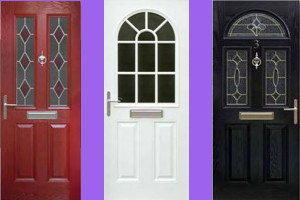
Before measuring and ordering windows, your installers will clean and clear the area around your windows. They will then mark, drill and screw the frames to the wall and sill. By using edging trims that cover the gap between the frame and wall will give an attractive finish.
You may want to consider DIY double glazing, but be aware that you'll likely need to get an approval from the building regulations before you can perform the work. If you don't, this could potentially void your warranty or impact the value of your resales. It is not recommended to DIY if you're not a "competent person". If you decide to DIY, you should seek advice from a professional.